Automatic fall detection: what it senses and where it falls short
A fall can be sudden, confusing and hard to report. A person may be unable to reach a phone, may lose consciousness for a short time, or may be shaken enough that pressing an alert button is not realistic. That gap is what a fall detection device is designed to cover. It watches for movement patterns that look like a fall, then checks whether the wearer needs help or can carry on.
Automatic detection is useful, but it is not the same as a person seeing what happened. Sensors read motion and position, not context. A hard drop onto a soft bed can look less serious than a slow slide onto a firm floor. A quick bend to pick something up can look odd if the device is worn loosely. Understanding the basic process makes the limits easier to judge.
What a fall detection device is
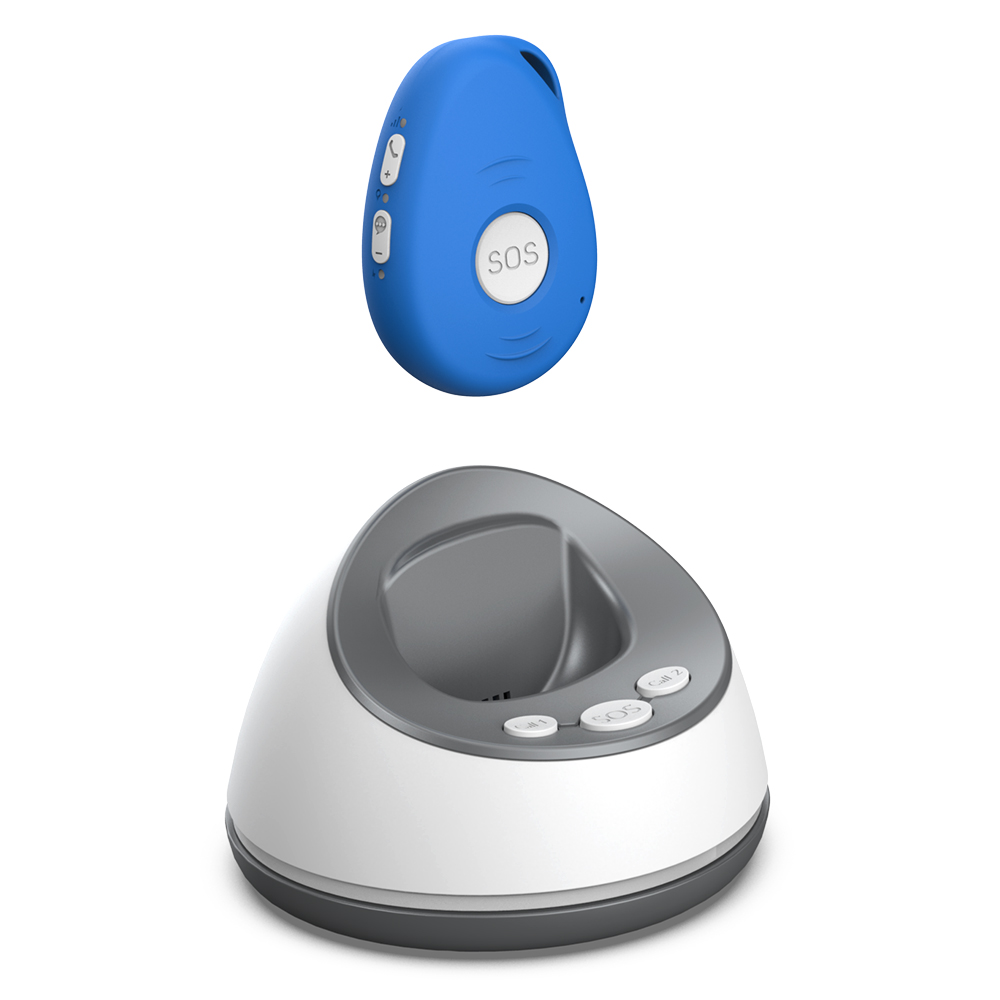
A fall detection device is usually a wearable or a small personal alarm that can identify a possible fall without a button being pressed. In the setting of wearable medical alarms, it is one feature among several. An SOS alert lets the wearer call for help directly. Fall detection adds a second route, for moments when a button press is not possible. GPS location and two-way calling can help trusted contacts understand where the person is and what they need.
The word automatic can be misleading. The device does not know that someone has been hurt. It detects a pattern associated with a fall, then follows a rule set built around safety. Many systems use a delay or a confirmation prompt, so an ordinary movement does not always trigger an alert. Others send an alert and let the contact cancel or confirm what happened once communication is restored.
Falls are a broad problem because people fall in different ways. Some drop straight down after a trip. Some collapse after dizziness. Some sit down heavily because their legs give way. Others twist, strike an object, then end up on the floor at an angle. A device has to turn all of that into data it can interpret.
The sensors behind the alert
Most wearables use an accelerometer. This measures acceleration, which includes the pull of gravity. From that data, the device can work out orientation, such as whether it is upright, tilted or flat. It can also detect a sudden change in speed or direction. When a person falls, the sensor may see a rapid shift, a burst of impact, then a period of stillness in a new position.

Some devices add a gyroscope, which helps describe rotation. That matters because people rarely fall like a rigid block. The body turns, an arm swings out, the head moves first, and the torso follows. Rotation data can help separate a fall from a quick bend or a deliberate lie down.
Impact detection is one part of the pattern. It looks for a sharp force, such as contact with the floor. Not every fall includes a clear impact. A person may lower themselves into a chair, collapse against soft furniture, or fall onto carpet. In those cases the change in posture and lack of normal movement may matter more than the bump.
Height, floor type, clothing and where the device sits on the body all affect the reading. A pendant, wrist unit and clip-on device can produce different data for the same fall. A wrist device may move sharply if the person falls onto an outstretched hand. A pendant may swing. A device in a pocket may shift before the body lands. These details are why fall detection is best viewed as a prompt for help, not a precise medical diagnosis.
What happens after a suspected fall
Once the device detects a suspicious pattern, it usually enters a short confirmation window. A wearable medical alarm might make a sound, vibrate or ask the wearer to respond. If the person responds and says they are fine, the alert can be cancelled. If there is no response, the system may send an alert to a trusted contact or monitoring point. In the case of familyr.co.nz, wearable medical alarms connect people with trusted contacts through SOS alerts, fall detection, GPS location and two-way calling without a monthly monitoring fee.
That confirmation step matters. It reduces disruption from false alarms and gives the wearer a chance to say they have simply dropped into a low chair or lain down. The trade-off is delay. A short waiting period can feel long when someone is injured. A very short period can cause more false alerts. Any design sits somewhere on that line.
After an alert, location information can narrow the search. GPS location is useful when the person is outside or away from a familiar building. Indoors, location can be less exact, especially in apartments, thick-walled houses or multi-level buildings. A trusted contact may still need to check several rooms. Two-way calling can help by letting the contact hear whether the person is responsive and ask simple questions.
Some systems also use connected home sensors, such as motion sensors or door sensors, to add context. These can suggest whether someone moved after the event or opened a door. They still cannot confirm injury. They simply add clues.
Where automatic detection has limits
The most common limit is the false alarm. A device may treat a deliberate lie-down, a rough landing into a chair, a sports movement or a sudden stoop as a fall. False alerts can be inconvenient, and they can also lead people to lose confidence in the system. If alerts are dismissed too often without thought, a genuine event might be treated the same way.
Missed detection is the opposite problem. It can happen when the fall is slow, when the person lands softly, when the device is not worn, or when the movement does not match the pattern the system expects. Someone who slides down a wall may not create a strong impact. Someone who falls onto a bed may not end up still for long. A device left on a table cannot detect anything about the person wearing it.
Placement and fit matter. A loose pendant may swing enough to create confusing readings. A watch-style unit may not sit snugly during exercise. Clothing can change how the device moves against the body. The same person can get different results depending on what they are wearing and how the device is positioned.
Environment also shapes reliability. Bathrooms are a common concern because hard surfaces, water and tight spaces can make a fall more serious. A slip hazard may lead to a fall with a sudden impact, but the person may land in a position that is awkward to interpret. Good bathroom safety planning still matters, including non-slip flooring, stable grab points and lighting. A wearable alarm does not prevent any of those risks.
There is also the question of what happens after the alert. A detector is only part of a wider response. If no one is available to receive the alert, or if the alert does not include useful location detail, help may be delayed. If the wearer is confused, they may not answer a call or give a clear answer. If the person is in a place with poor mobile coverage, messages and calls may not go through as expected.
How to think about fall risk in daily life
Fall detection works best as one layer of support. The first layer is reducing the chance of a fall. That means paying attention to loose rugs, poor lighting, wet floors, uneven paths and furniture that blocks a clear route. A mobility aid can help when walking is unsteady, but it needs to suit the person and the setting. Footwear, medication side effects, vision changes and dehydration can all affect balance.
The second layer is making sure help can be called quickly. An SOS alert is straightforward because the wearer chooses to activate it. Automatic fall detection covers the moments when that choice is not possible. Some people prefer both. Others may find that one feature fits their routine better. The right mix depends on how often they are alone, how steady their walking is, and how quickly someone could reach them.
The third layer is planning the response. Trusted contacts need to know what an alert means and what to do when one arrives. They may need a plan for calling emergency services, checking nearby locations or using two-way calling first. It also helps to decide what a cancelled alert means. A cancelled alert may be reassuring, but if the person sounds unwell later, it should not block further action.
For families comparing options, the question is not only whether a device can detect a fall. It is how the whole setup behaves in ordinary life. Does the wearer accept wearing it every day? Is the alert sent to people who can act? Does the system give enough information without creating constant interruptions? Those practical points often matter more than a single feature list.

Details about products and services available through familyr.co.nz sit within the wider category of wearable medical alarms, where alerts, location and calling are designed to connect a person with their chosen contacts. The value of any such setup depends on clear expectations. Automatic detection can raise the chance that a serious fall gets attention. It cannot remove the risk of falling, prove that an injury has occurred, or replace emergency care when it is needed.
What the reader can take from this
A fall detection device is most useful when it is understood as a quick signal, not a guarantee. It watches for motion, impact and stillness, then uses a rule set to decide whether to alert someone. That process can work well for many sudden falls, especially when the person cannot press a button. It can also be confused by normal movement, soft landings, poor fit or limited coverage.
The practical approach is to combine technology with sensible surroundings and a clear response plan. Keep walking routes clear, treat a slip hazard promptly, review bathroom safety and use support that suits the persons mobility. Then choose alert features that match daily habits. If an alert arrives, treat it as a reason to check, not as a final answer. If a person is hurt, distressed or unresponsive, seek emergency help without waiting for a device to confirm what happened.